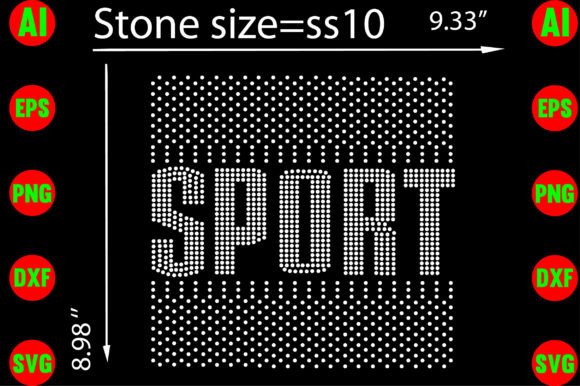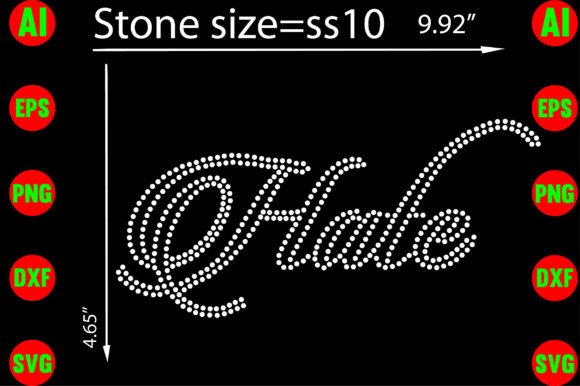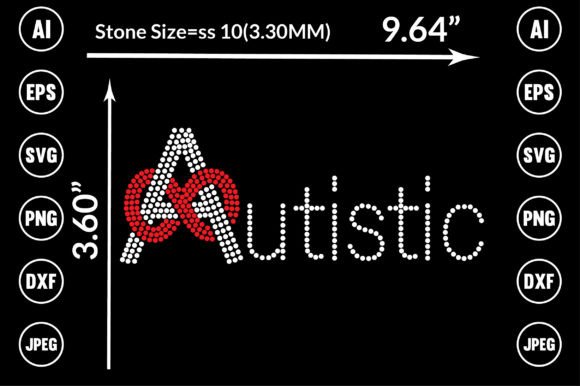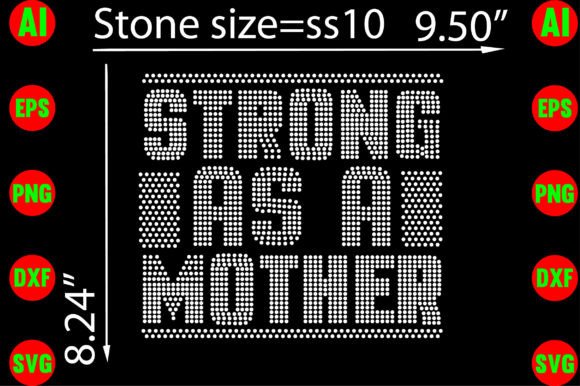
A Rhinestone Sparkle: Why This Graphic Design Asset Lifts Editorial Content
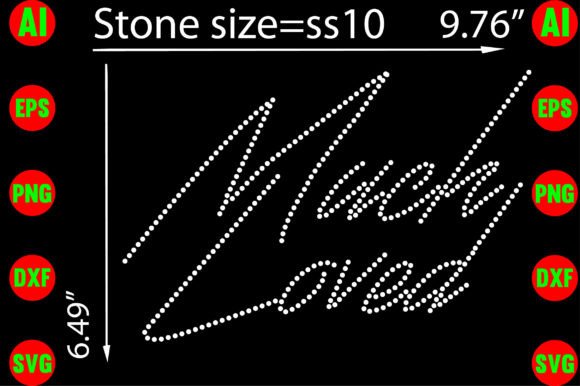
When a new graphic design asset lands in my digital toolkit, I immediately assess its editorial potential. My first impression of the Much Loved Rhinestone Templates was one of decorative, feminine charm. This isn’t a minimalist, corporate-grade asset; it’s a design that injects a playful, lifestyle-focused elegance into visual communication. For publishers targeting niches like wedding planning, fashion blogging, creative crafts, or celebratory content, this asset creates an immediate mood of affection and artistic detail. It feels both nostalgic and modern, a blend that resonates with audiences seeking personalized, heartfelt content.
Beyond T-Shirt Designs: The Real Publishing Workflow
While categorized under T-Shirt Designs, its utility in content publishing is far broader. The instant download provides a ZIP folder containing AI, EPS, SVG, DXF, and high-resolution files. This format flexibility is crucial for a digital publisher. From a technical standpoint, the vector files (AI, EPS, SVG) mean I can scale this design for any use—from a tiny social media icon to a full-width website banner—without losing quality. This is the foundation of professional-looking content pages.
Imagine a typical publishing week: I’m preparing a blog post on DIY wedding decorations, a downloadable guide on jewelry-making, and a series of Pinterest pins for an affiliate marketing campaign on craft supplies. A single, versatile design asset like the Much Loved Rhinestone Templates can unify these disparate projects. I can use the core design as a featured image for the blog post, extract elements for Pinterest graphics, and incorporate it into the cover of my digital guide. This creates a consistent visual identity across the entire content ecosystem, which builds reader trust and strengthens category recognition.
Where This Rhinestone Sparkle Works Best in Editorial Design
In practical application, this asset excels in specific, high-impact areas of web design and content marketing.
- Hero Images & Article Headers: The intricate, sparkling detail makes for a compelling website header or blog post hero image, especially when paired with a clean, contrasting headline font.
- Pinterest Pins & Social Media Graphics: The decorative nature is perfect for creating clickable Pinterest pins and Instagram visuals that stand out in a crowded feed.
- Digital Product Covers: For lead magnets like printables, worksheets, or eBook covers, this design conveys value and care, improving perceived quality.
- Newsletter & Email Banners: A small slice of the design can beautify a newsletter header, making the entire communication feel more polished.
- Category Thumbnails & Blog Graphics: On a site with multiple categories, using this asset for a “Celebrations” or “Crafts” section creates instant visual hierarchy and navigation clarity.
The Performance Lift: Reader Trust and Click-Through Potential
How does a decorative asset translate to content performance? Strong visual communication creates a stronger first impression. A visitor arriving at a blog post adorned with a thoughtfully integrated, high-quality graphic perceives the entire page as more authoritative and trustworthy. This is especially vital for affiliate marketers and small business owners whose content needs to convert. A professional-looking graphic can be the difference between a reader scrolling past or clicking a recommended link. The “Much Loved” aesthetic directly supports content that aims to evoke emotion and personal connection, which often drives higher engagement.
Publisher Notes for Integration & Caution
Integrating any new creative design into an existing brand system requires careful testing. Here are my practical notes from a real blog designer’s perspective.
- Test on All Screens: Preview how the design renders on desktop and mobile. Check how it looks as a small thumbnail—the intricate details may need simplification for very small sizes.
- Play with Typography: Place the asset beside various font styles. It pairs beautifully with script or handwritten fonts for a romantic feel, but also creates interesting contrast with a bold sans-serif for a more modern twist.
- Check Contrast & Readability: When overlaying text, ensure the rhinestone background doesn’t compromise readability. Sometimes using a muted version or placing text in a solid-colored section of the layout is necessary.
- Mind the Context: This asset should be used carefully on text-heavy blog images where the graphic might compete with the copy, or on websites with a very minimal, serious aesthetic. It’s not suited for corporate financial reports, but is perfect for lifestyle, creative, or educational content with a feminine or artistic lean.
- Optimize for Web: For raster uses, always compress the exported images properly to maintain website performance. The provided 300dpi files are ideal for print-based digital products, but for web, you’ll export at lower resolutions.
- License Confirmation: Before using on monetized websites, affiliate pages, or paid content products like digital guides, always confirm the commercial license terms of the asset. Most marketplace downloads like this allow commercial use, which is essential for professional publishers.
The Final Word on Visual Identity for Content Creators
The Much Loved Rhinestone Templates, as a graphic design asset, represents more than just a pretty picture. For bloggers, online educators, and creative entrepreneurs, it’s a tool for building a cohesive and attractive visual narrative. By leveraging its decorative strength in hero images, Pinterest pins, and digital product covers, you elevate the perceived quality of your entire publishing output. It supports clearer visual hierarchy, more consistent branding, and ultimately, content that not only looks polished but feels clickable and trustworthy to your audience. In the world of digital publishing, where first impressions are made in milliseconds, such assets are invaluable components of a successful content strategy.