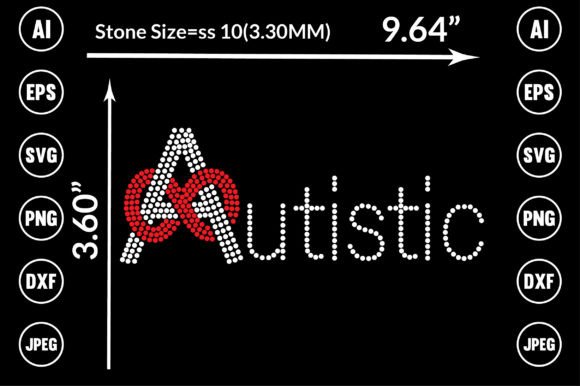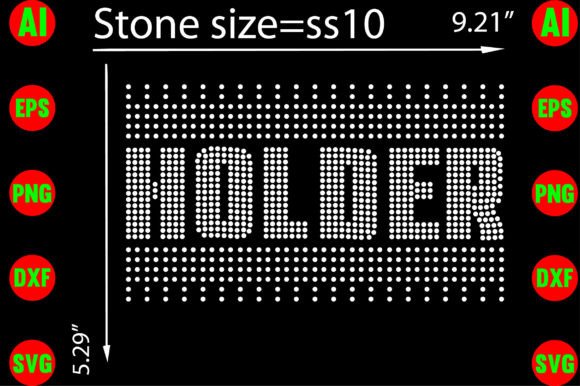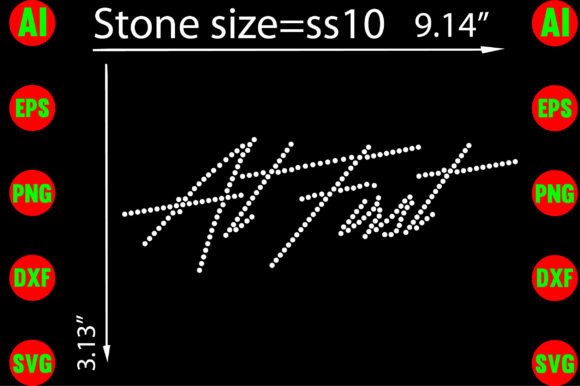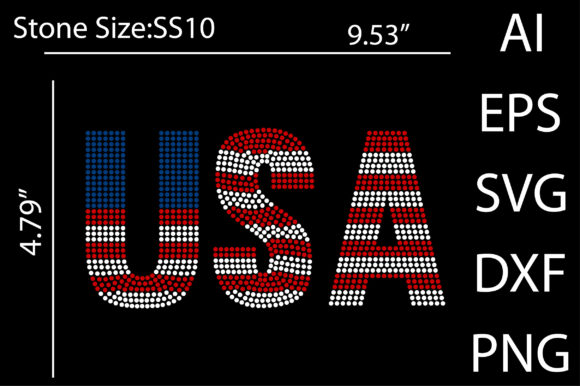
A Rhinestone Heart as a Graphic Asset for T-Shirt Designs
The First Impression: Glitter, Glam, and Strategic Style
Opening the Heart Rhinestone Templates Design files, the immediate effect is one of controlled sparkle. This isn't chaotic glitter; it’s a structured, repeatable graphic pattern that evokes a sense of decorative luxury, playful romance, and handcrafted detail. The mood leans towards celebratory, feminine, and boutique-quality. For a designer assessing it for a client project, the first question is style alignment. This asset naturally fits clients in the handmade business space, small business branding for gift shops, bridal accessory lines, or seasonal campaigns around Valentine's Day, anniversaries, or any 'love-themed' product launch.
Where This Design Asset Finds Its Professional Home
In real-world application, this graphic design asset proves versatile. The provided vector formats (AI, EPS, SVG, DXF) mean scalability is a given, making it suitable for large layout areas like posters or hero graphics on a website. For a T-shirt design, it's obviously a central motif, but its use extends far beyond apparel.
Strong Applications for Marketing Visuals
Consider a client launching a limited-edition perfume or a line of artisan chocolates. The rhinestone heart pattern becomes an exquisite decorative accent on product labels and packaging design, adding a tactile, premium feel even in print. For social media graphics announcing an Etsy shop update, it can frame product photos in Instagram posts or serve as the core visual for Pinterest pins, driving a cohesive themed collection. As a printable design, it could become the basis for wedding invitations, boutique event flyers, or printable wall art for a lifestyle blogger.
Merchandise and Physical Products Beyond Tees
The DXF and SVG files are particularly valuable for crafters and Cricut projects. This heart translates cleanly into sticker designs, vinyl for mugs and tote bags, or even sublimation design for fabric. When placed on product mockups, it elevates simple items into branded merchandise, crucial for print-on-demand sellers and small business owners building a visual identity.
Caution Zones: When to Use This Asset with Care
Professional judgment requires knowing a design's limits. The intricate rhinestone detail of this heart is its strength, but that becomes a liability in certain contexts.
Scale and Context Sensitivity
At very small sizes—think a tiny logo on a business card or a favicon—the individual rhinestones will blur and lose definition, potentially looking noisy or muddy. In crowded layouts with complex backgrounds, the pattern may compete destructively with other elements, breaking visual hierarchy. Its ornate nature makes it a poor fit for minimalist branding or professional corporate materials where clarity and simplicity are paramount. A designer must ensure it serves as a focal point or a deliberate decorative layer, not an accidental distraction.
The Impact on Brand Perception and Audience Engagement
Implementing this asset strategically affects the entire project's impression. It boosts emotional appeal, targeting audiences that appreciate craft, romance, or detailed aesthetics. This can directly increase audience engagement on social media graphics or digital ads. However, brand consistency is key. If the client's other assets are clean sans-serif fonts and geometric shapes, suddenly introducing this ornate heart could feel disjointed, harming visual trust. It must be integrated thoughtfully, perhaps as a seasonal variation rather than a core identity element, unless the entire brand direction embraces this decorative style.
Readability and Hierarchy Considerations
When paired with typography, the rhinestone heart demands attention. Placing text over or near it requires careful contrast testing. A bold sans serif font might hold its ground, but a delicate script font could get lost visually. The asset works best as a supporting brand element or the primary graphic, with text clearly separated in space or hierarchy.
A Designer's Practical Checklist Before Client Use
Before committing this heart to a real client’s commercial design project, I run through a series of standard tests.
- Format & Editability: I open the SVG file in a vector editor to confirm clean paths and easy color editing for brand palette alignment.
- Scale Test: I preview the design at both 2 inches and 2 feet wide to see how the detail holds at extremes.
- Contrast Check: I place it on pure white and dark backgrounds to ensure the outline and sparkle effect remain clear.
- Monochrome View: Converting it to black and white reveals if the form is strong enough without color, useful for certain print constraints.
- Print Preview: For printable products like invitations or packaging design, I test a high-resolution print preview at 300dpi to check for crispness.
- Mockup Integration: I place it onto a realistic T-shirt design mockup and a product label mockup to judge real-world application.
- Licensing Verification: Absolutely critical: I confirm the commercial license allows use for the client’s business, whether for marketing visuals, editorial design, or physical product sales.
Final Judgment for a Creative Marketplace Asset
The Heart Rhinestone Templates Design, as a digital product in a creative marketplace, is a powerful but specific tool. It won't suit every project in a designer’s roster. For the right client—a handmade business, a boutique launching a love-themed collection, a digital seller creating Valentine's content—it provides a polished, ready-made graphic element that can accelerate design work while adding a perceived value of craftsmanship. Its strength lies in its decorative, scalable versatility; its caution is its ornate complexity. With the practical tests completed and a clear stylistic fit for the project, it becomes a valuable asset, transforming a simple concept into a visually engaging commercial design.