A Rhinestone Design That Isn't Just About Glitz
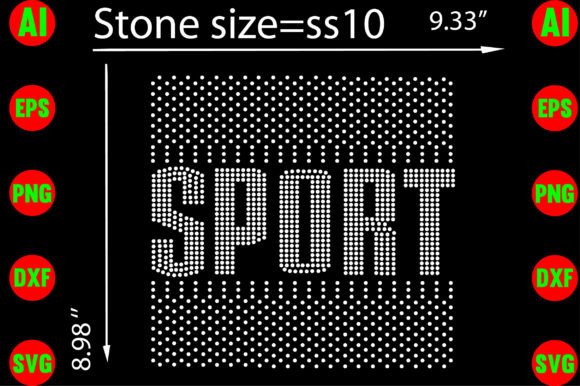
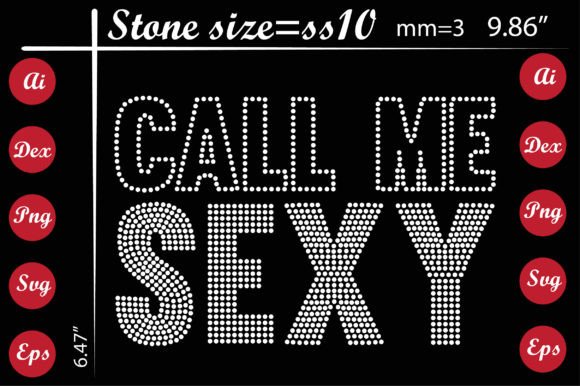
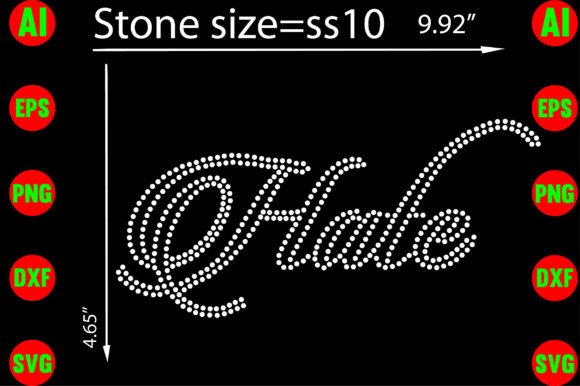
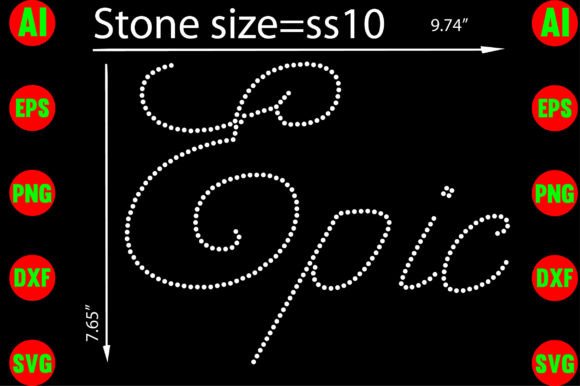
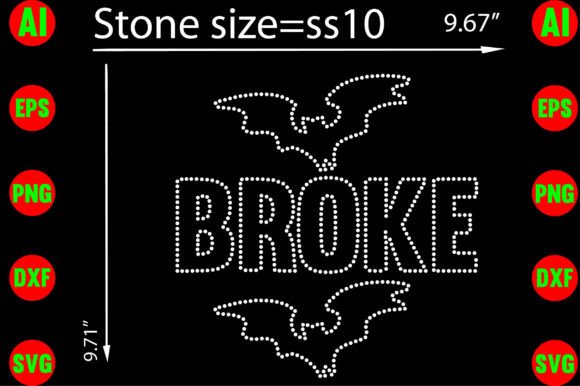
When I first opened the Broke Rhinestone Templates Design, my immediate thought wasn’t about sparkle or glamour. It was about structure. This design presents itself as a graphic template, a framework, and that’s where its real value for embroidery begins. It creates a distinct mood of playful, intentional imperfection—a “broken” aesthetic that feels contemporary and approachable, rather than a flawless, distant shimmer.
The Shape and Personality: Where This Design Finds Its Home
The layout is graphic and bold, with clear, defined shapes that serve as perfect guides for stitch placement. This isn't a delicate, filigree pattern; it’s a statement piece. Its visual personality leans towards casual, street-style cool, or perhaps a witty, self-aware gift. It naturally belongs on items where that personality shines: a custom embroidered sweatshirt for a boutique, a statement tote bag for a creative entrepreneur, or a baby item like a hoodie where the parents appreciate a modern, graphic twist on typical nursery decor.
I picture it on a washed black crewneck sweatshirt, stitched in a matte-finish thread that contrasts with the rhinestone theme. The “broken” concept would resonate, creating a product that feels handmade and thoughtfully designed, not mass-produced.
Performance in Real Projects: From Totes to Tea Towels
For practical application, this template design’s strength is its versatility as a blueprint. The clean vector shapes provided in the file bundle—Ai, EPS, SVG, DXF—mean it can scale beautifully for different projects. On a large embroidered tote bag, the design can be scaled up to become a central, bold graphic, using dense fill stitches for solid areas. On a smaller item, like a baby cap or a patch, it can be reduced, focusing perhaps on outlining key shapes with a running stitch for a lighter, quicker application.
It works well for holiday gifts with a modern edge, personalized products in a small shop, or even as boutique branding on staff aprons. Because it’s a graphic, it also integrates seamlessly into printable mockups for your Etsy listings or digital storefront, helping customers visualize the finished product on apparel.
Where Caution is Needed: The Practical Designer’s Checklist
While the template is adaptable, its application demands a designer’s eye for context. On very small hoop sizes, some of the finer details within the “broken” elements might merge if stitch density is too high. On textured fabrics like a loose-knit sweater, the clarity of the sharp, graphic shapes could soften, so a good stabilizer choice is paramount.
I would be careful using it on highly curved surfaces like baseball caps without careful digitizing adjustment to prevent distortion. Similarly, on thin or stretchy fabric, the potential for a dense fill stitch area to pull or pucker means testing on scrap material first is essential. For dark fabric backgrounds, thread color contrast becomes the hero—a silver or light grey might lose impact, whereas a bright, contrasting color could make the “broken rhinestone” theme pop in a new, interesting way.
Impact on Your Craft Business and Customer Trust
Using a design like this effectively speaks volumes about your professionalism. A clean, well-stitched rendition shows attention to detail and elevates the perceived value of a handmade product. It turns a simple t-shirt into a designer graphic tee for your craft business. For customers, it creates recognition—a distinctive, memorable motif they associate with your brand’s style.
Its giftability is high, especially for recipients who appreciate irony or contemporary art. The finished product feels intentional and crafted, which builds buyer engagement and trust far more than a generic, mass-market image. For an Etsy seller or digital product seller, offering finished items with this design can attract a niche audience looking for something beyond the ordinary.
Essential Notes Before You Hoop the Fabric
My workflow for a design like this always starts on the screen and then moves to the machine. First, I examine the small details in the provided files on my software, noting any corners or junctions that might need a slight stitch adjustment for clarity. Then, I test stitch it on scrap fabric that matches my final project’s weight and texture.
I check thread color contrast by creating simple black and white mockups to see the form without color bias, and then I test a light and dark fabric background sample. The choice of stabilizer is non-negotiable here to maintain that graphic sharpness. Crucially, I always confirm the licensing terms for the digital embroidery file before proceeding with any commercial projects or selling finished items. The product description states it’s a download, but the specifics of personal versus commercial use need to be verified from the seller.
The Final Verdict: A Template Built for Creative Execution
The Broke Rhinestone Templates Design succeeds not as a finished image, but as a superb starting point. Its value lies in how you, the embroidery designer or maker, execute it. It asks you to consider thread choice, substrate, scale, and context. It’s a design that rewards thoughtful application and can become a signature piece for your small shop merchandise, a standout custom apparel item, or a perfectly pitched personalized gift.
In my hands, it would become a graphic, slightly gritty accent on a linen pillow cover or a bold statement on a denim jacket patch. It feels less like a product and more like a collaborator—providing the structure for you to bring your embroidery expertise and creative vision to the forefront, resulting in a truly unique finished product.